Comparison
In-Ear Monitors vs Isolation Headphones: Which for Drummers?
Two ways to monitor what you're playing without going deaf. Here's when each one wins, scored across six categories, with a 30-second decision flow.

Brand A
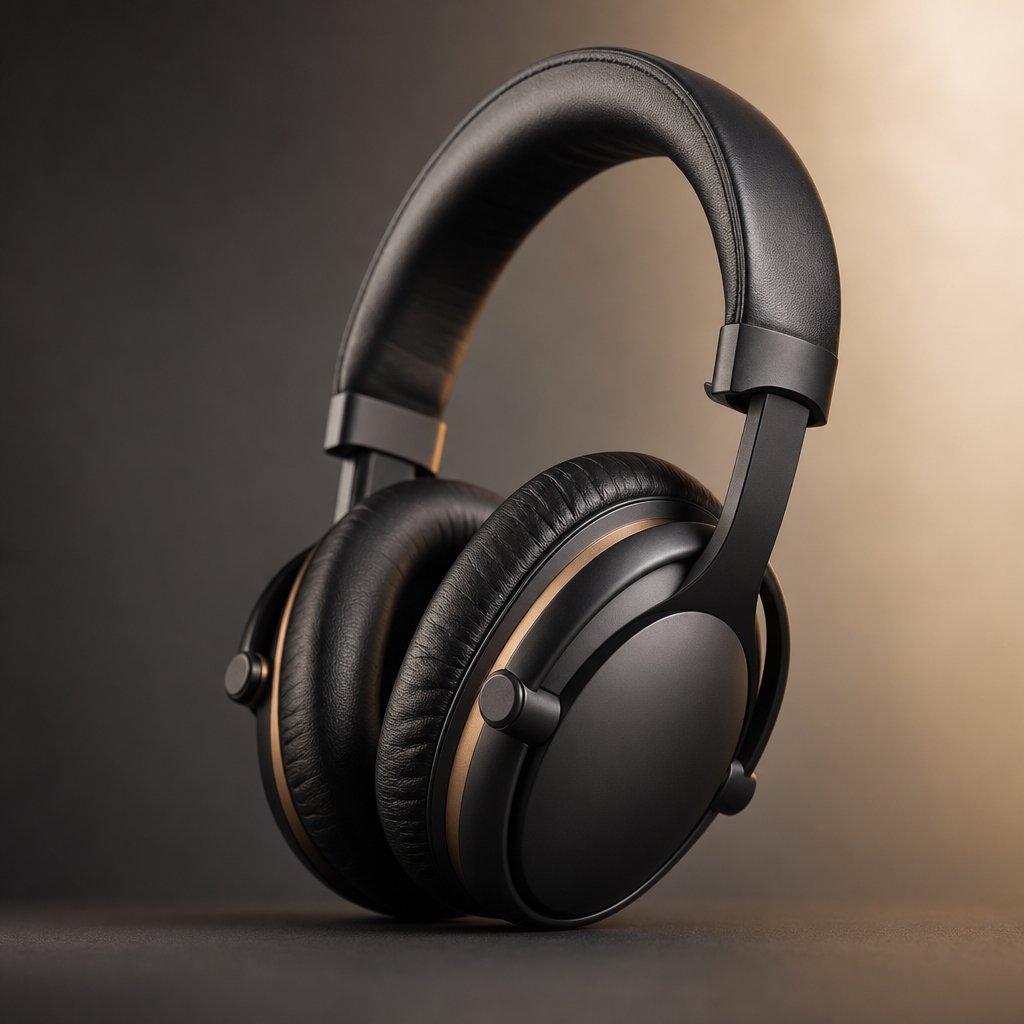
Isolation Headphones
The over-ear, sealed-cup option.
- Founded2003 (modern era)
- OriginStudio-first
- Top lineVic Firth SIH2
- Price range$25 – $300
Brand B
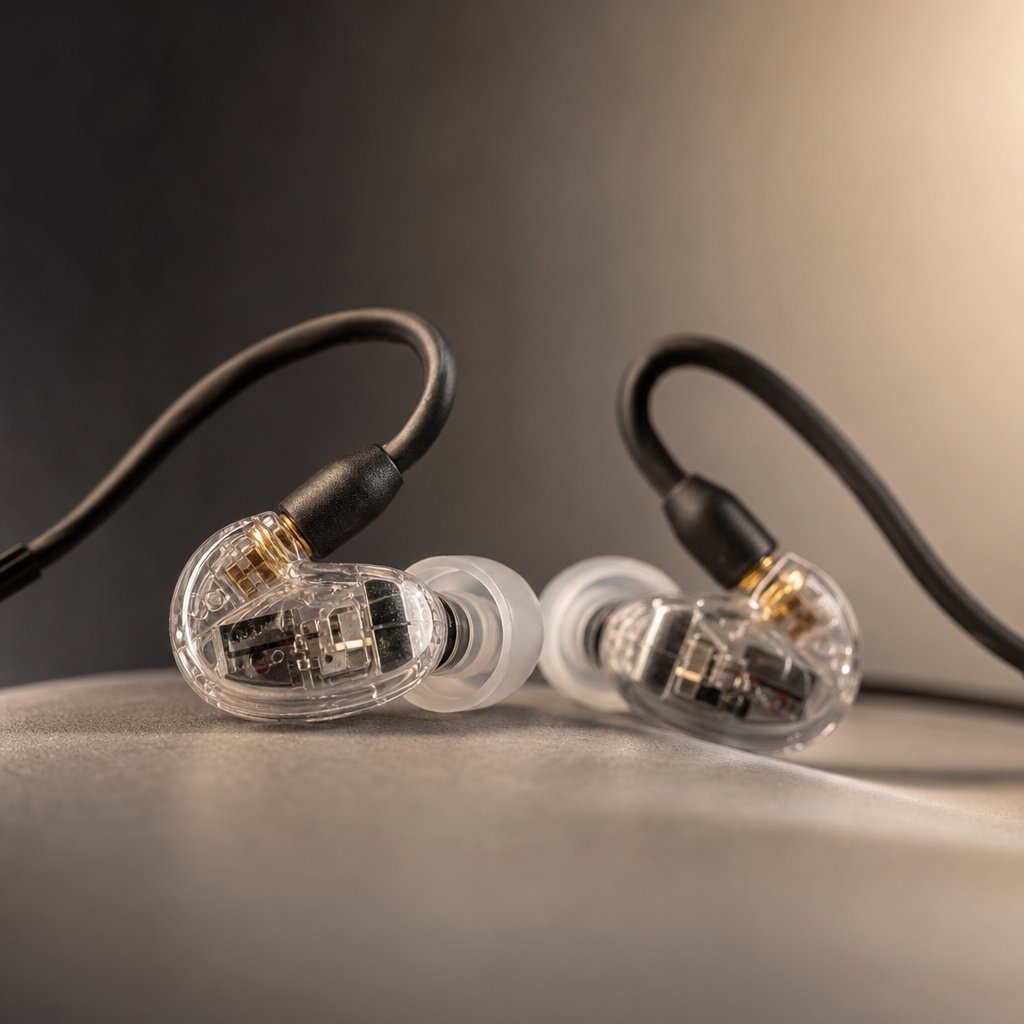
In-Ear Monitors
The in-canal, sealed-tip option.
- Founded1987 (Shure modern IEM)
- OriginStage-first
- Top lineShure SE215 / SE846
- Price range$99 – $1,200+
Two paths to the same destination — protected ears and a clean monitor mix.
Head-to-head breakdown
Six categories, scored side by side
Isolation Headphones 2 · In-Ear Monitors 3 · Ties 1
| Category | Isolation Headphones | In-Ear Monitors |
|---|---|---|
| Isolation | Vic Firth SIH2 hits −25 dB; Sennheiser HD 280 Pro hits −32 dB. Strong for an over-ear product. | Winner Shure SE215 hits −37 dB; custom-moulded IEMs go further. Best in class. |
| Comfort over 4-hour sessions | Winner Over-ear cans don't fatigue the ear canal. Earpad foam can be replaced when it compresses. | Ear-canal pressure builds over long sessions. Custom moulds help; foam tips don't. |
| Stage-friendly form factor | Bulky on the head; gets in the way of camera shots and hot-stage cooling. | Winner Invisible from the audience. Light. Don't overheat. |
| Sound quality (reference monitoring) | Sennheiser HD 280 Pro is studio-reference flat; Vic Firth is faithful enough for monitor mixes. | Shure SE846 is reference-grade; SE215 is clean for a single-driver IEM. Tied at the top. |
| Cable + connector durability | Vic Firth SIH2 cable is non-detachable; failure = entire unit replaced. | Winner MMCX detachable cables on Shure and Westone IEMs mean cables are cheap to swap. |
| Cost-to-entry | Winner Tascam TH-02-B at $25 makes the category accessible. Vic Firth at $79 is the working entry point. | Shure SE215 at $99 is the realistic entry; below that you're not getting drummer-grade performance. |
Which brand is right for you
Pick the right setup in 30 seconds
- You primarily record in a studio and need 4-hour comfort.
- Your budget is under $100 and you need real isolation today.
- You hate the in-canal feel of any in-ear product.
- Your live setup doesn't require an invisible monitor solution.
- You play live with a custom monitor mix routed through the venue's IEM system.
- You record in a studio and want reference-grade detail.
- You hate having something heavy on your head while playing.
- You need maximum isolation — −37 dB beats anything an over-ear can do.
The verdict
In-ear monitors vs headphones — which should you buy?
The honest answer most articles avoid: this isn’t actually a head-to-head purchase decision, because the two product categories solve different problems for working drummers. Pick in-ear monitors if you tour, play to click tracks live, or need a personalised wireless mix from FOH. The form factor packs small, stays planted during energetic playing, and the IEM ecosystem (transmitters, beltpacks, custom-molded tips) is built around live performance.
Pick isolation headphones if you record at home or in a studio, monitor an electronic kit, or want a sealed listening environment that doesn’t depend on tip-fit expertise. The over-ear seal is more isolating than even well-fitted IEMs, the signal-to-noise ratio is higher, and the gear is cheaper to enter at $25-79 versus $99-300+ for entry-level IEMs.
For working drummers who do both: own both. A pair of Vic Firth SIH2 isolation cans for studio days and a pair of Shure SE215 IEMs for the live rig covers every common drumming listening context for under $200 combined. The drummers we know who insist on running one category for everything tend to be specialists who know exactly which gigs they take and which they decline; everyone else benefits from owning the right tool for each setting.
Frequently asked