Buyer's guide
Best headphones for drummers
The headphones a drummer wears decide three things at once: whether you can hear the click, whether you can hear the band, and whether you'll still have your high frequencies in twenty years. Three passive-isolation pairs ranked — the studio standard, the $25 rehearsal pair, and the mixing-room favourite. We'll also explain when an in-ear monitor is the better answer than any of these.

The basics
What headphones do drummers actually need?
The headphone problem for drummers is unique: the source you’re monitoring (the playback signal) needs to be audible over a 110+ dB sound source (the drum kit) sitting six inches from your head. Standard consumer headphones — AirPods, Bluetooth over-ears, even premium audiophile cans — can’t solve this problem. They were engineered for office and commute environments. A drumming headphone needs purpose-built isolation beyond what consumer products provide.
Two product categories solve the drummer’s problem. Passive isolation headphones (Vic Firth SIH2, Sennheiser HD 280 Pro) use over-ear sealed earcups that physically block kit volume by 20-32 dB. In-ear monitors (Shure SE215, Westone, custom moulded IEMs) use a tight seal in the ear canal to achieve similar isolation in a much smaller form factor. Both categories work; they solve the same problem differently. The picks below are all in the first category. For the in-ear alternative, see our in-ear monitors guide.
When isolation, when in-ears
Should you go IEMs instead? A 30-second decision tree
Isolation headphones are the better pick for studio tracking, home practice, electronic-kit monitoring, and any context where you don’t need a custom mix from a FOH engineer. The earcup seal is more isolating than IEM tips; cymbals don’t leak in around the edges; the form factor is more durable.
In-ear monitors are the better pick for live touring, fly dates, and any setup where stage real estate matters or you need a personalised mix from FOH. They’re smaller to pack, harder to dislodge during energetic playing, and let you receive a wireless beltpack-driven mix tailored to what you need to hear (more click, less guitar, etc.).
Most working drummers eventually own both. The picks below are all isolation headphones — for the in-ear comparison, see our isolation vs in-ears comparison.
Our three picks
The shortlist, if you’re in a hurry
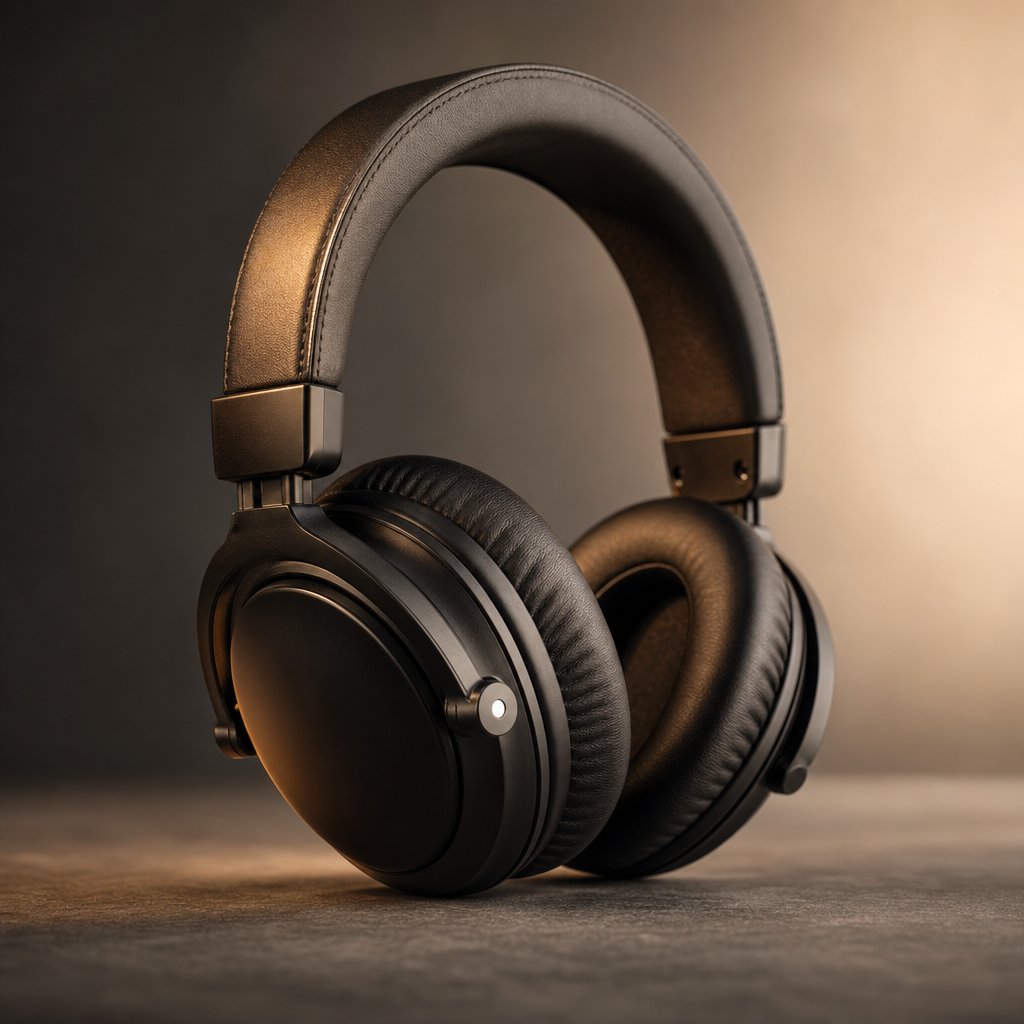
Vic Firth
Vic Firth Stereo Isolation Headphones (SIH2)
The studio standard. Bombproof, $79.
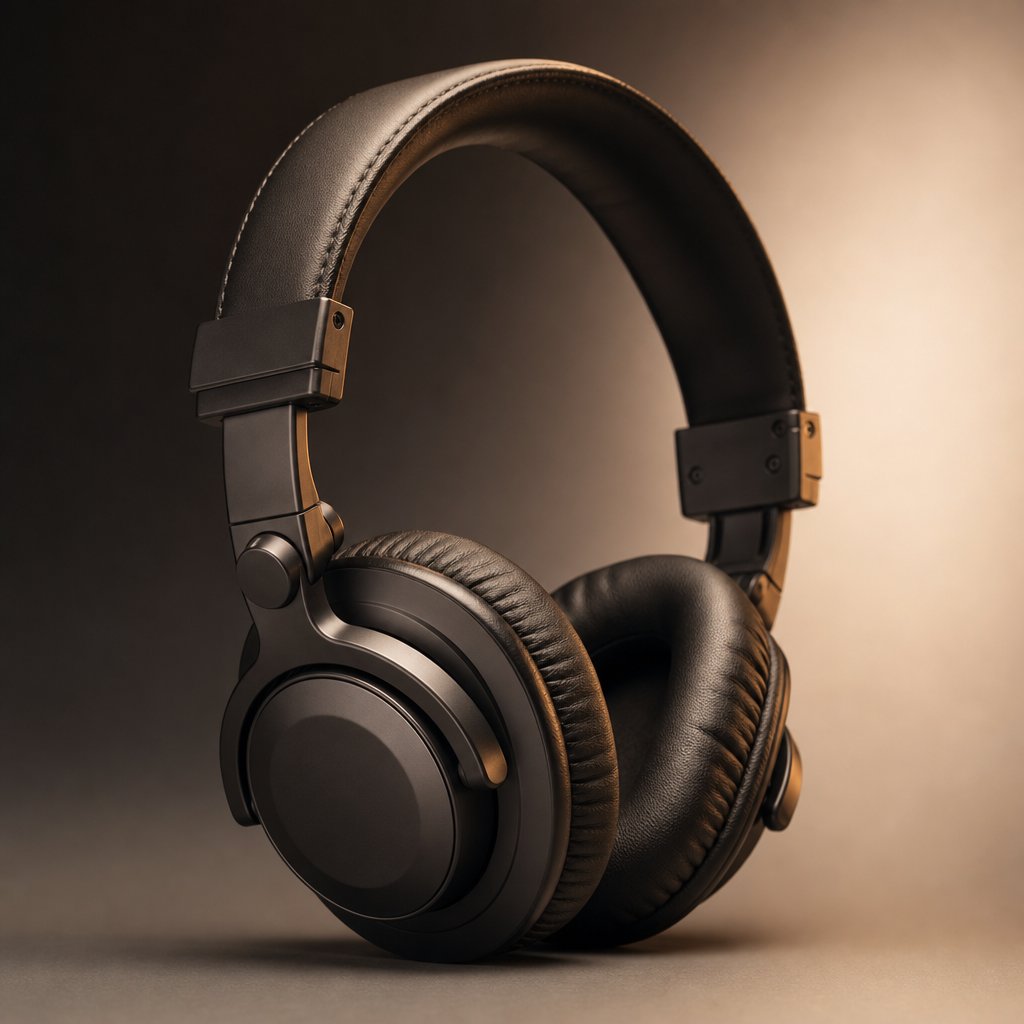
Tascam
Tascam TH-02-B Studio Headphones
Budget pick. Lighter on isolation but at a quarter of the price.
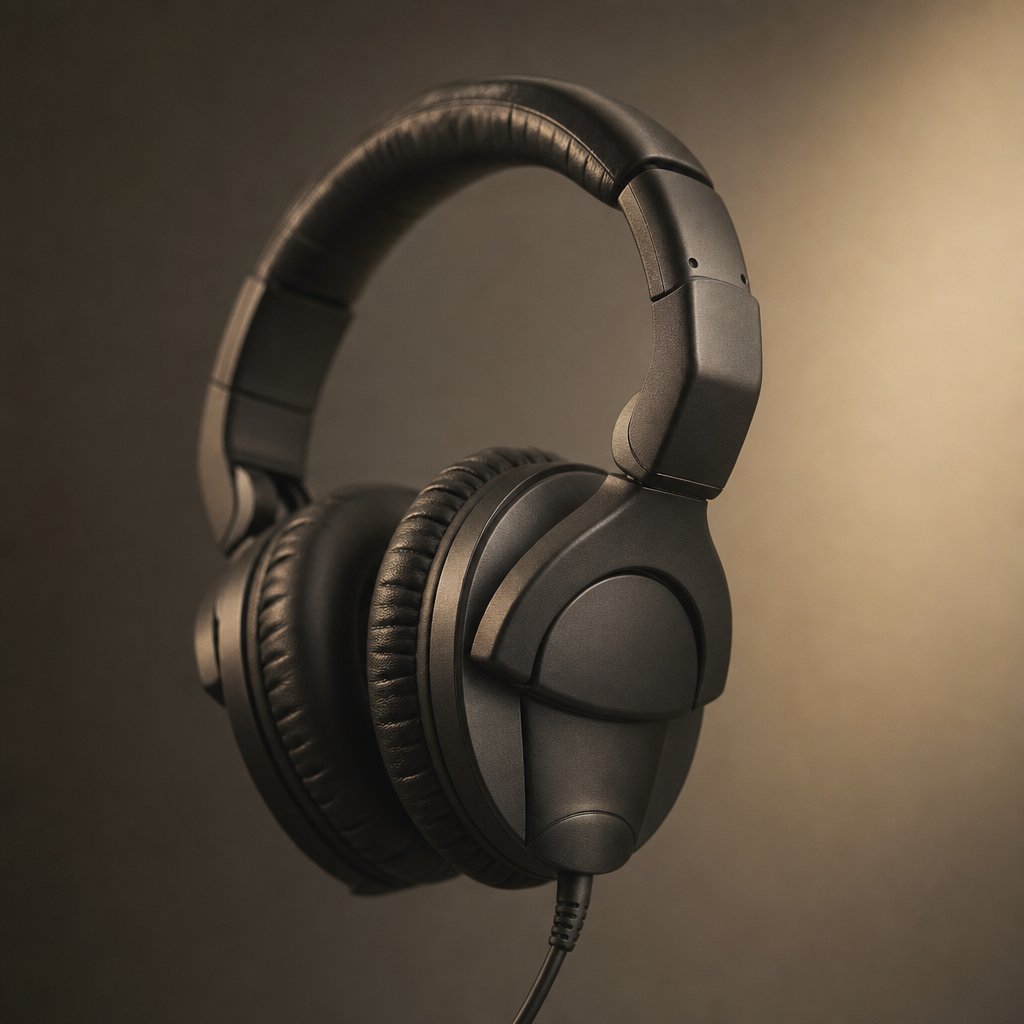
Sennheiser
Sennheiser HD 280 Pro
The mixing-room favourite. Highest isolation in this guide; thinner low end.
All picks, side by side
Specs, prices, and verdict — side by side
| Product | Rating | Key spec | Price | Buy |
|---|---|---|---|---|
| Expert pick Vic Firth Vic Firth Stereo Isolation Headphones (SIH2) | ISOLATION −25 dB | Around $79 | Check price → | |
| Tascam Tascam TH-02-B Studio Headphones | ISOLATION −18 dB | Around $25 | Check price → | |
| Sennheiser Sennheiser HD 280 Pro | ISOLATION −32 dB | $99–$129 | Check price → |
In detail
Why each pick made the list
Expert pick · Best Overall
Vic Firth
Vic Firth Stereo Isolation Headphones (SIH2)
- ISOLATION −25 dB
- WEIGHT 320 g
- DRIVERS 40 mm
- CABLE 3 m, fixed
The Vic Firth SIH2 is the studio drumming standard for a reason. Twenty-five decibels of passive isolation cuts a loud rock kit down to a comfortable monitoring level without active circuitry, batteries, or anything that can break. They’re heavy, the cable is non-detachable, and they’ve never won a beauty contest, but they sound flat and faithful, they isolate better than any active option below $300, and a working pair from 2003 still does the job in 2026.
Where other “drummer headphones” over-emphasise the low end to compensate for poor seal, the SIH2 stays neutral and lets the sealed earcups do the work. The result is a monitor mix you can actually mix to.
Pros
- −25 dB isolation rivals headphones twice the price
- Indestructible build, working pairs from 2003 still gigging
- No batteries to die mid-set
- Flat, faithful response — usable for monitor mixes
Cons
- Heavy after a 2-hour set
- Non-detachable cable
- No padding refresh kit available
Tascam
Tascam TH-02-B Studio Headphones
- ISOLATION −18 dB
- WEIGHT 260 g
- DRIVERS 40 mm
- CABLE 3 m, fixed
At a quarter of the SIH2 price the TH-02-B isolates noticeably less — around 18 dB versus 25 — but for rehearsal-only use, beginner kits, or the second pair you keep at the rehearsal space, the maths works out. Build is plastic-heavy and the foam earpads compact within twelve to eighteen months of weekly use, but at $25 you can replace the whole pair four times before you’ve matched the SIH2 cost.
Pros
- Astonishing value at $25
- Light enough for 2-hour rehearsal blocks
- Decent flat response for the price
Cons
- Isolation noticeably weaker than Vic Firth
- Earcup foam wears in 12-18 months of weekly use
- Cable is the first failure point
Sennheiser
Sennheiser HD 280 Pro
- ISOLATION −32 dB
- WEIGHT 285 g
- DRIVERS Dynamic, closed-back
- CABLE 3 m, coiled, fixed
The HD 280 Pro is the mixing-room favourite among working drummers who track their own sessions. At a class-leading −32 dB of passive isolation it beats the Vic Firth on the spec sheet, with a bonus: the cable, earcups, and headband are all user-replaceable, which extends usable lifespan well past a decade.
The trade-off is a leaner low-end response than the SIH2. If you’re monitoring a kick-heavy genre and not running a sub-feed in your monitor mix, you may find the bottom octave thin. For studio overdub work and click-track drumming where flat is exactly what you want, it’s the strongest pick in the guide.
Pros
- Best-in-class passive isolation at −32 dB
- Sennheiser build survives studio life
- Replaceable cable, earcups, and headband
Cons
- Low-end response is leaner than Vic Firth
- Coiled cable tangles on a kit
- Clamping force tight on first wear
Frequently asked