Editorial feature
The Best Jazz Drummers of All Time
Eight drummers whose recorded work shaped what jazz drumming is. From the bebop architects through the modal-era innovators to the modern voices still defining where the music goes — ranked by record-defining contribution and influence on every drummer who came after.
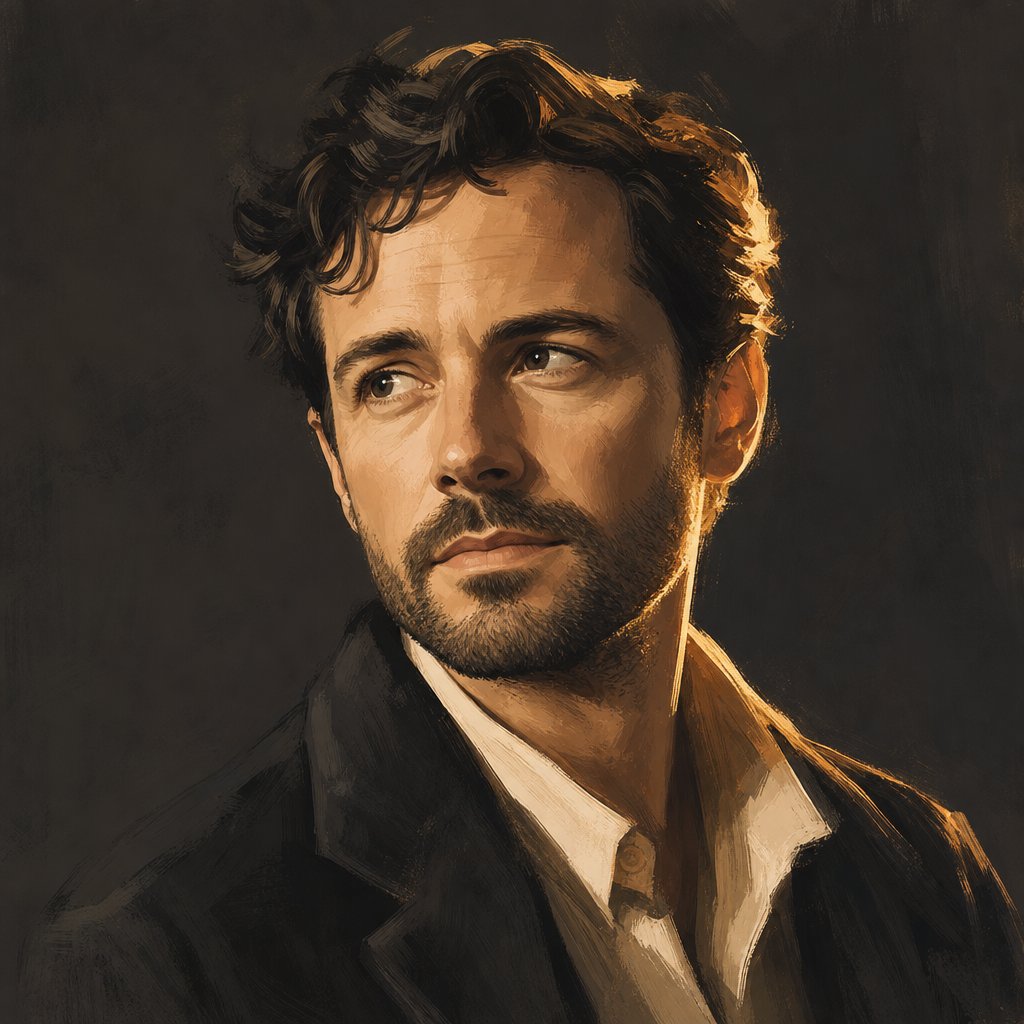
Ranked by DrumThat’s editors
Eight drummers who built modern jazz drumming.
01 · Top tier
Buddy Rich
Rich was the most technically complete drummer of the 20th century — a self-taught vaudeville prodigy whose one-handed roll, single-stroke speed, and ability to swing a 17-piece big band by sheer rhythmic gravity have not been surpassed. The West Side Story Medley solo remains the technique-reference for every drumming student who wants to know what the absolute ceiling looks like. The big-band era ended; Rich kept it alive on tour for thirty years past its commercial relevance.
Key tracks
- West Side Story Medley (1966)
- Channel One Suite (1968)
- Norwegian Wood (1968)
02 · Top tier
Tony Williams
Williams joined Miles Davis at seventeen and immediately rewrote the harmonic role of jazz drumming. His ride-cymbal pulse on the Second Great Quintet records — floating across bar lines, broken into cells, never settling into a static groove — set the standard against which every modern jazz drummer is measured. The fusion work with Lifetime opened the door for every electric jazz drummer who came after. The economy of his phrasing is the lesson; the rest is technique.
Key tracks
- Nefertiti (Miles Davis) (1968)
- Pee Wee (Miles Davis) (1967)
- Emergency! (1969)
03 · Top tier
Max Roach
Roach moved jazz drumming from accompaniment to composition. The ride-cymbal pattern he developed with Charlie Parker became the bebop ride pattern; the work with Clifford Brown made him a central voice in hard bop; the solo records (We Insist!, Drums Unlimited) established that a jazz drummer could lead from behind the kit. Listening to a Roach solo and a contemporary’s solo from the same year reveals how much vocabulary Roach was generating that nobody else had access to yet.
Key tracks
- Joy Spring (Brown-Roach Quintet) (1954)
- We Insist! (Freedom Now Suite) (1960)
- The Drum Also Waltzes (1966)
04 · Mid
Elvin Jones
Jones’s playing in the John Coltrane Quartet (1960–1965) is one of the most influential bodies of recorded drumming in any genre. The triplet-based pulse he developed — broken across the kit, the ride implying multiple meters at once — let Coltrane stretch into modal exploration without losing forward motion. Every modern jazz drummer who plays free or open-time owes Elvin a debt. The intensity is the surprise: Jones could outplay anyone in the room while sounding lyrical.
Key tracks
- A Love Supreme (1965)
- Crescent (1964)
- My Favorite Things (1961)
05 · Mid
Art Blakey
Blakey ran the Jazz Messengers as a finishing school for hard-bop instrumentalists for forty years — Wayne Shorter, Lee Morgan, Freddie Hubbard, Wynton Marsalis all came through. His drumming was less innovative than Roach’s or Williams’ and more foundational: the press roll, the rim-knuckle drag, the explosive swing feel that turned every Messengers record into a celebration. The shuffle on “Moanin’” remains the reference for hard-bop pocket.
Key tracks
- Moanin' (1958)
- A Night in Tunisia (1960)
- Blues March (1958)
06 · Mid
Philly Joe Jones
Philly Joe was Miles’s drummer in the First Great Quintet, and the records from that era set the template for what hard-bop drumming should sound like in a small group. The Philly Lick — a snare-bass pattern he played as a signature — became one of the most-quoted drum figures in jazz history. He was also the consummate accompanist; listen to him under John Coltrane on “Blue Train” and you hear a drummer making everyone else play better.
Key tracks
- Blue Train (John Coltrane) (1958)
- Milestones (Miles Davis) (1958)
- Walkin' (Miles Davis) (1954)
07 · Mid
Jack DeJohnette
DeJohnette is the bridge between the post-bop era and modern jazz drumming. His work on Bitches Brew helped open the door to fusion; the four-decade run with the Keith Jarrett Standards Trio established the modern conception of a jazz drummer who plays the song rather than the form. His ride-cymbal feel is uniquely his — loose, conversational, never landing where a chart would predict. Still recording and touring at 80+.
Key tracks
- Bitches Brew (Miles Davis) (1970)
- Standards Vol. 1 (Keith Jarrett Trio) (1983)
- Special Edition (1979)
08 · Mid
Brian Blade
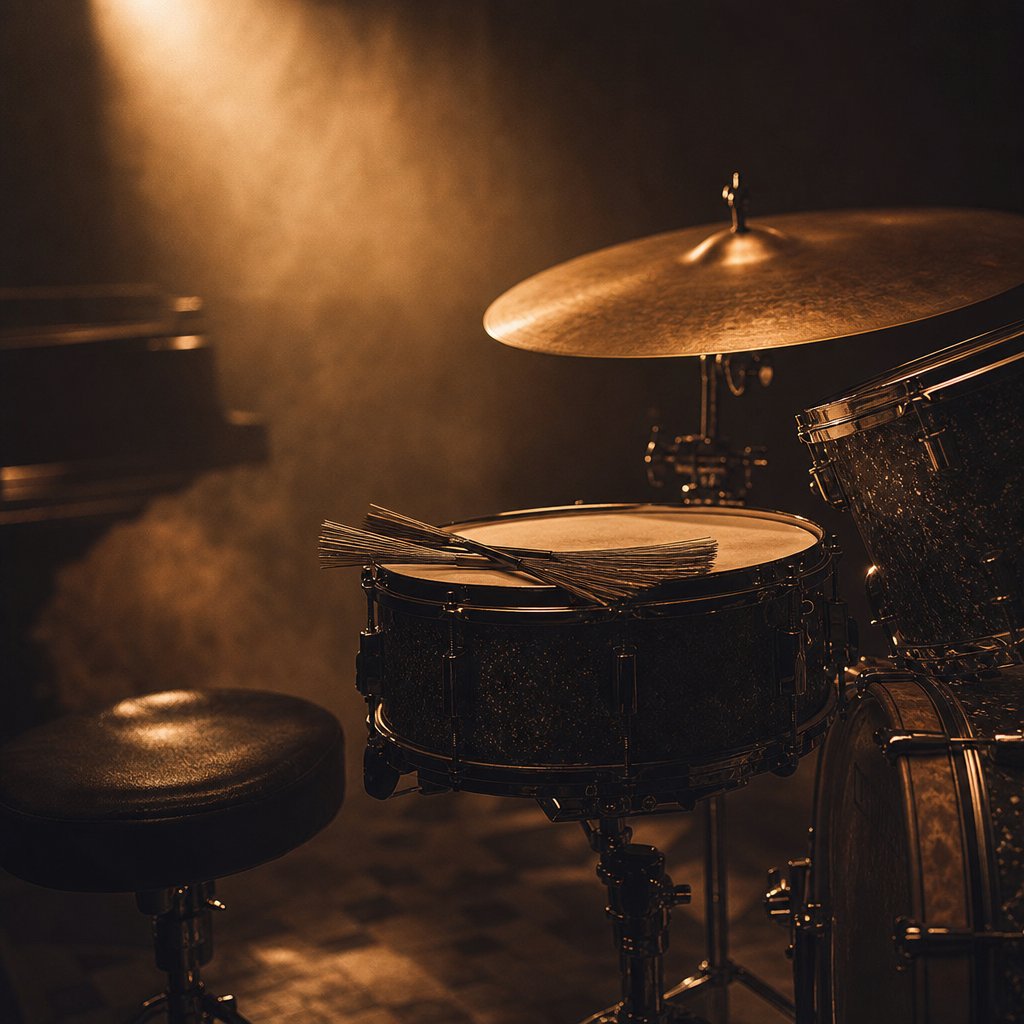
Blade is the most musically sophisticated jazz drummer working today. His decade-plus in the Wayne Shorter Quartet showed what modern post-bop drumming could be when stripped of bravado — every choice in service of the composition, dynamics that breathe across whole bar lines, brushes wielded with painterly control. The Fellowship Band records under his own name extend the same philosophy into a folk-tinged jazz idiom that’s genuinely his own.
Key tracks
- Footprints (Wayne Shorter, live) (2002)
- Season of Changes (Fellowship) (2008)
- Don Juan's Reckless Daughter (Joni Mitchell) (1977)
Recommended listening
One signature track per drummer — the recordings to study
- 01 Watch on YouTube →
“West Side Story Medley”
- 02 Watch on YouTube →
“Nefertiti (Miles Davis)”
- 03 Watch on YouTube →
“Joy Spring (Brown-Roach Quintet)”
- 04 Watch on YouTube →
“A Love Supreme”
- 05 Watch on YouTube →
“Moanin'”
- 06 Watch on YouTube →
“Blue Train (John Coltrane)”
- 07 Watch on YouTube →
“Bitches Brew (Miles Davis)”
- 08 Watch on YouTube →
“Footprints (Wayne Shorter, live)”