Buyer's guide
Best Drum Mics
Three microphones that account for roughly 80% of the drum tracking on records you've heard this year. The snare standard, the kick standard, and the modern clip-on tom solution. Build a kit-mic locker around these and the rest becomes detail work.

Our three picks
The shortlist, if you’re in a hurry
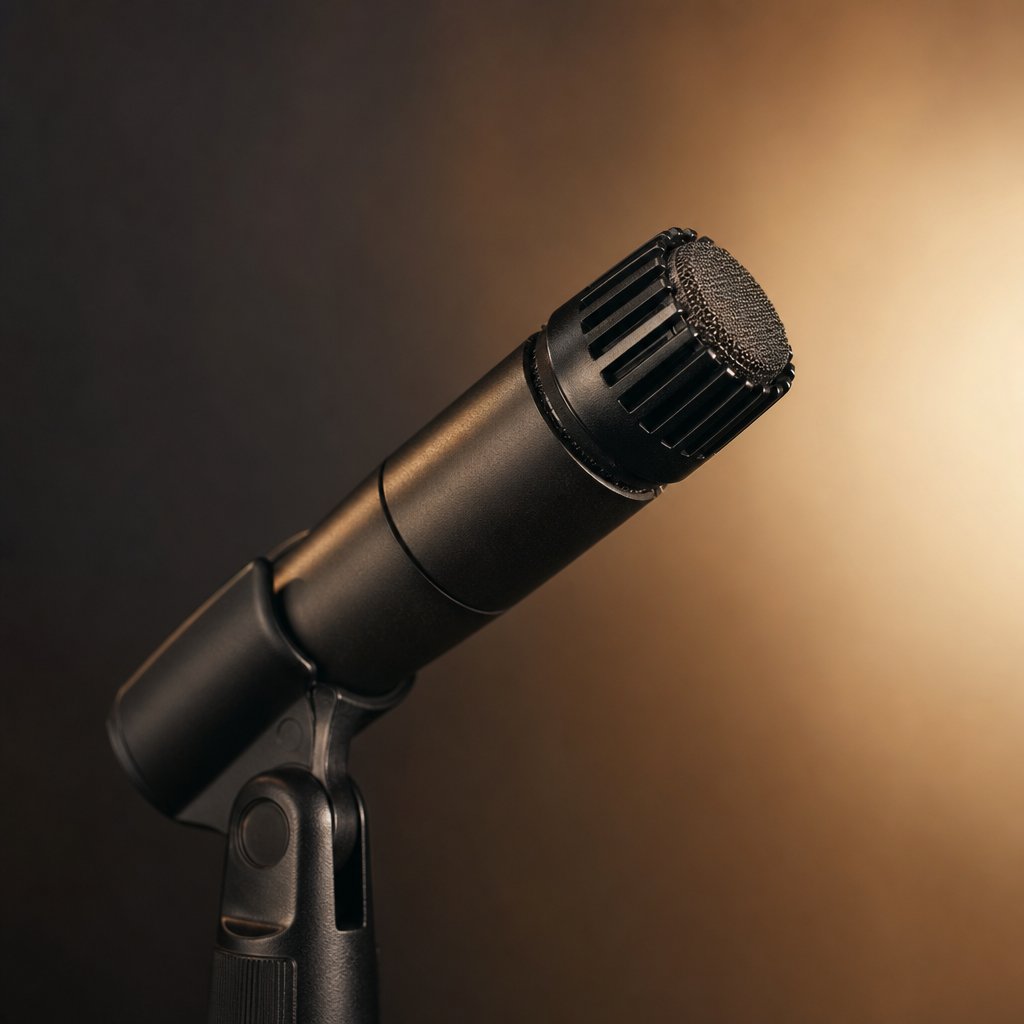
Shure
Shure SM57
The most-recorded snare mic ever made. The first mic on every snare on every record you know.
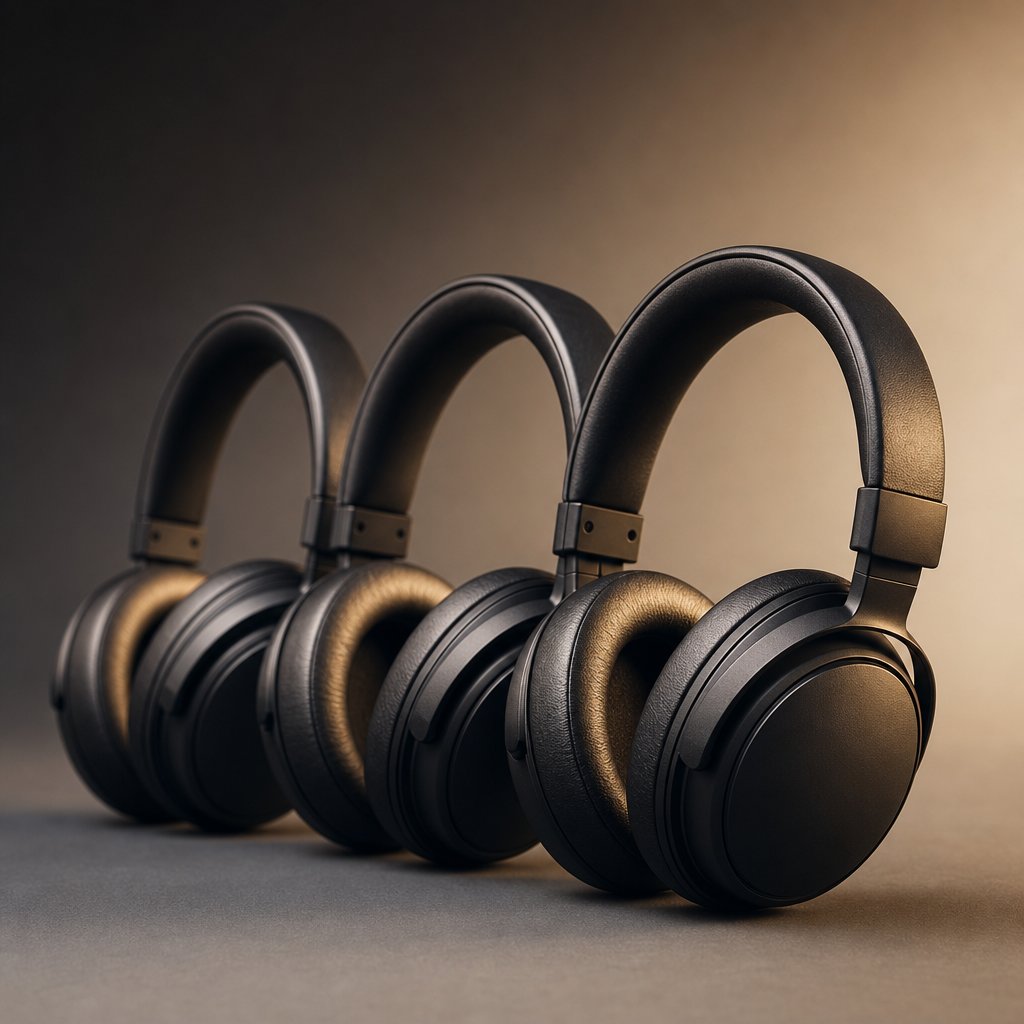
Sennheiser
Sennheiser e904 (3-pack)
Clip-on tom mic 3-pack. The fastest setup in the business — 60 seconds from kit-rolled-in to fully mic'd.
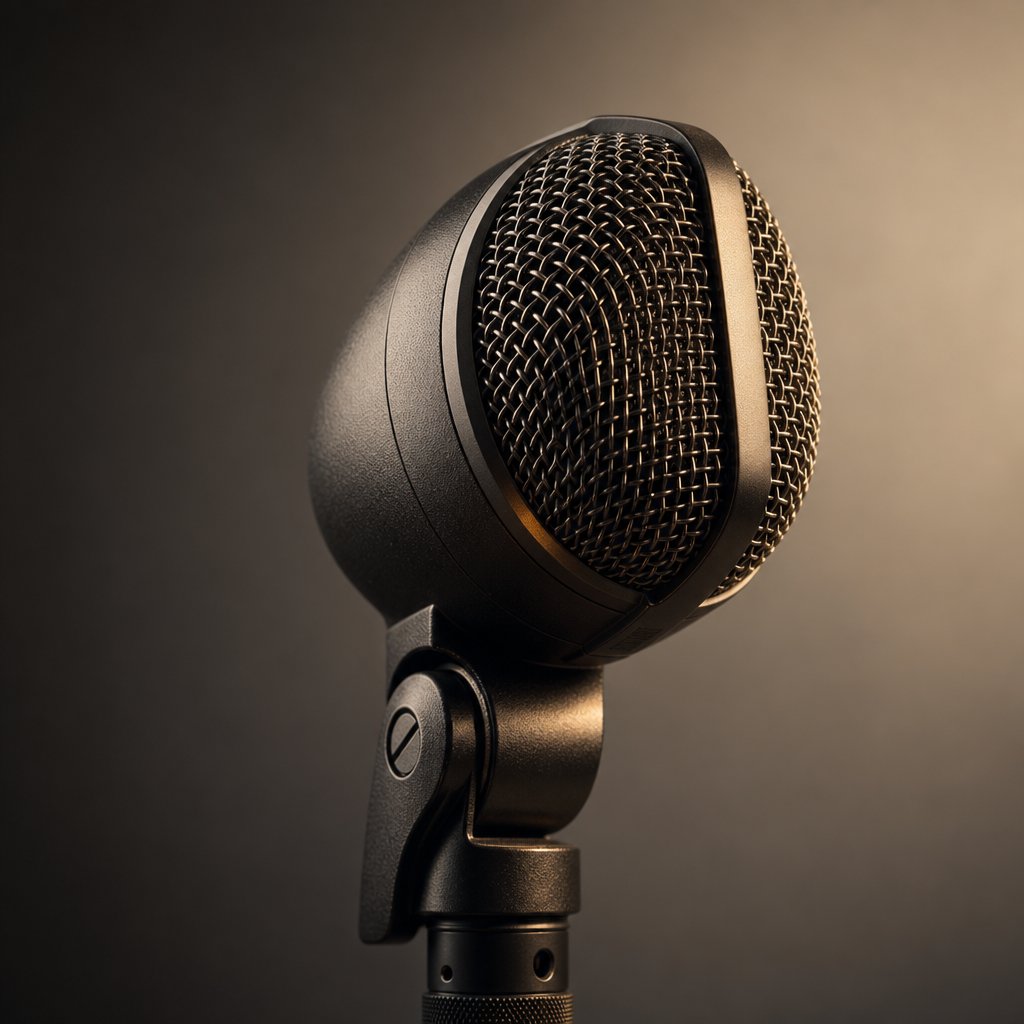
AKG
AKG D112 MkII
The kick drum mic. Engineered with a presence peak at 4 kHz and a low-end shelf that needs zero EQ.
All picks, side by side
Specs, prices, and verdict — side by side
| Product | Rating | Key spec | Price | Buy |
|---|---|---|---|---|
| Expert pick Shure Shure SM57 | TYPE Dynamic, cardioid | Around $99 | Check price → | |
| AKG AKG D112 MkII | TYPE Dynamic, cardioid | Around $199 | Check price → | |
| Sennheiser Sennheiser e904 (3-pack) | TYPE Dynamic, cardioid | Around $599 | Check price → |
In detail
Why each pick made the list
Expert pick · Best Overall
Shure
Shure SM57
- TYPE Dynamic, cardioid
- FREQ RESPONSE 40 Hz – 15 kHz
- PRIMARY USE Snare batter, tom batter, guitar amps
- SPL HANDLING Effectively unlimited (no clipping)
The SM57 is the microphone every drummer eventually owns six of. Snare top, snare bottom, hi-hat, tom batters, guitar cabs, vocals when nothing else is available — the SM57 covers all of it. The midrange presence around 5 kHz is exactly the frequency band a snare drum needs to cut through a dense rock mix; the cardioid pattern rejects the hi-hat enough to keep the snare track usable in post; the build is genuinely military-spec. Bob Clearmountain has used SM57s on every snare he’s ever recorded and that’s a forty-year career.
$99 also deserves to be highlighted. There is no cheaper professional microphone in any category — and the SM57 is genuinely as good as a snare mic ever needs to be. Drummers and producers spend money on tube preamps, boutique EQs, and exotic compressors all to enhance signal that started life inside an SM57. Buy three to start. You’ll need them all.
Pros
- Genuinely indestructible — drop it, step on it, leave it in the rain, it still works
- The midrange bump (around 5 kHz) is exactly what a snare needs to cut through a mix
- $99 is the cheapest professional-tier microphone of any type ever made
Cons
- Slightly proximity-effect prone on toms — needs careful placement to avoid bass buildup
- Not the natural choice for cymbals or overheads (use a condenser instead)
AKG
AKG D112 MkII
- TYPE Dynamic, cardioid
- FREQ RESPONSE 20 Hz – 17 kHz
- PRIMARY USE Kick drum interior
- SPL HANDLING Up to 168 dB SPL
The AKG D112 MkII is the kick drum mic that almost every modern rock and pop record has been built around since the late 1980s. The capsule was engineered specifically for a kick drum’s frequency profile — a low-end shelf that captures the fundamental without losing definition, and a presence peak at 4 kHz that puts the beater click exactly where producers want it. The signal coming off a D112 needs almost no EQ before it’s mix-ready, which is rare in any microphone at any price.
The trade-off is specialisation. The 4 kHz peak is wrong for genres that want an open, less-clicky kick — jazz, acoustic singer-songwriter, anything where the kick should disappear into the floor instead of poking through the mix. For those applications, a Sennheiser MD421 or a Beyerdynamic M88 sound more natural. For modern rock, metal, hip-hop, or pop with a featured kick, the D112 is the obvious choice.
Pros
- Built-in presence peak at 4 kHz puts the click of the beater right where producers want it
- Low-end response goes flat to 30 Hz — the kick fundamental is captured without subharmonic loss
- Mounts permanently inside a kick drum without wearing out — many studios have one in there for 20+ years
Cons
- The 4 kHz presence peak is wrong for jazz or open kick sounds — use a Sennheiser MD421 instead
- $199 is meaningfully more than alternatives like the Shure Beta 52A
Sennheiser
Sennheiser e904 (3-pack)
- TYPE Dynamic, cardioid
- FREQ RESPONSE 40 Hz – 18 kHz
- PRIMARY USE Tom batter (clip-on rim mount)
- SPL HANDLING Up to 160 dB SPL
The Sennheiser e904 three-pack is the smartest spend on the kit-mic shopping list because it solves a real logistical problem: getting tom mics close to the heads without three boom stands sticking into your sightlines. The integrated rim clamp puts the capsule three to four inches from the head, exactly where a tom should be mic’d, and the kit-roll-in to mic-ready time drops from minutes to seconds. For touring drummers and live engineers, that’s the entire selling point.
Sound-wise, the e904 captures tom attack and shell tone with the proximity bias that close-mic-ing wants. The cardioid pattern rejects the hi-hat and ride enough to keep the tom tracks separable. The trade-off is versatility — an e904 is a tom mic, full stop, where an SM57 would also moonlight as a snare or amp mic in a pinch. For a working drum-kit mic locker, both belong: SM57s for the snare and the close mic positions that benefit from a stand, e904s for the toms.
Pros
- Integrated clamp clips directly to tom rims in seconds — no boom stands needed for toms
- Designed specifically for tom proximity (3–4 inches from head) — picks up attack and shell tone correctly
- Three-pack at $599 is cheaper than three SM57s plus three boom stands plus three clips
Cons
- Three-pack only — single e904 isn't usually sold separately for the same price tier
- Less versatile than SM57s — the e904 is a tom mic, full stop
Frequently asked